
On this page
ECMI Kosovo works with children, families, schools and municipalities to address exclusion from education. We help identify children at risk of leaving school, develop tools for those responsible for supporting them, and challenge discrimination. Our research on Serbian-language education also informs work to remove barriers facing graduates.
A long partnership on education inclusion
Our partnership with UNICEF has developed through successive programmes. A 2009–2010 pilot in Ferizaj/Uroševac, Peja/Peć and Prizren supported municipal officials and civil society in addressing minority education. It produced Protecting and Promoting Education for Minority Communities, a manual setting out municipal responsibilities and steps to improve inclusion.
In Fushë Kosovë/Kosovo Polje during 2011–2012, we helped put the education component of the municipal Roma, Ashkali and Egyptian action plan into practice. The work covered attendance and dropout information, outreach to families, supplementary learning and training for municipal officials. A further manual on improving education delivery for Roma, Ashkali and Egyptian communities documented the experience.
Preventing dropout and non-enrolment
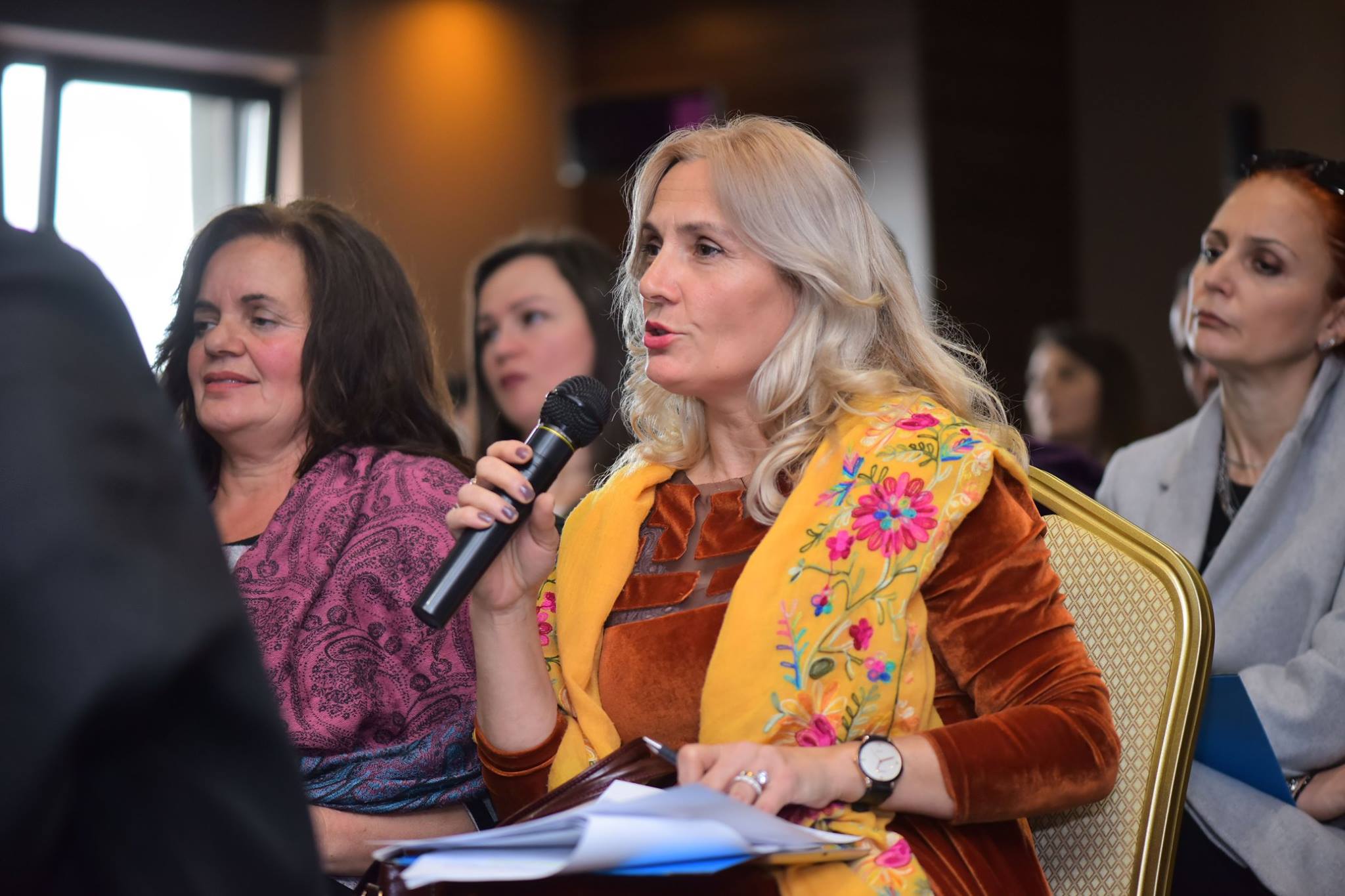
With UNICEF and the Ministry of Education, ECMI helped develop dropout-prevention manuals for school and municipal Prevention and Response Teams towards Abandonment and Non-Registration in compulsory education (PRTANs). The guidance covers identifying children out of school or at risk, early warning, case management and coordination between those responsible for responding.
During 2022–2024, the EU-supported programme with UNICEF, Supporting Continued Access to and Retention in Public Education in 15 Municipalities in Kosovo, built on that experience. ECMI worked with municipal education directorates and schools on prevention teams, early-warning practices, municipal action plans and the state dropout-prevention protocol. National awareness activities brought timely intervention into discussion with education professionals and public bodies.
Poverty, care responsibilities, gender expectations, disability and language can affect a child’s attendance. Schools, families, municipalities and relevant services need to respond to the circumstances behind an absence, as well as record it.
Challenging exclusion and segregation
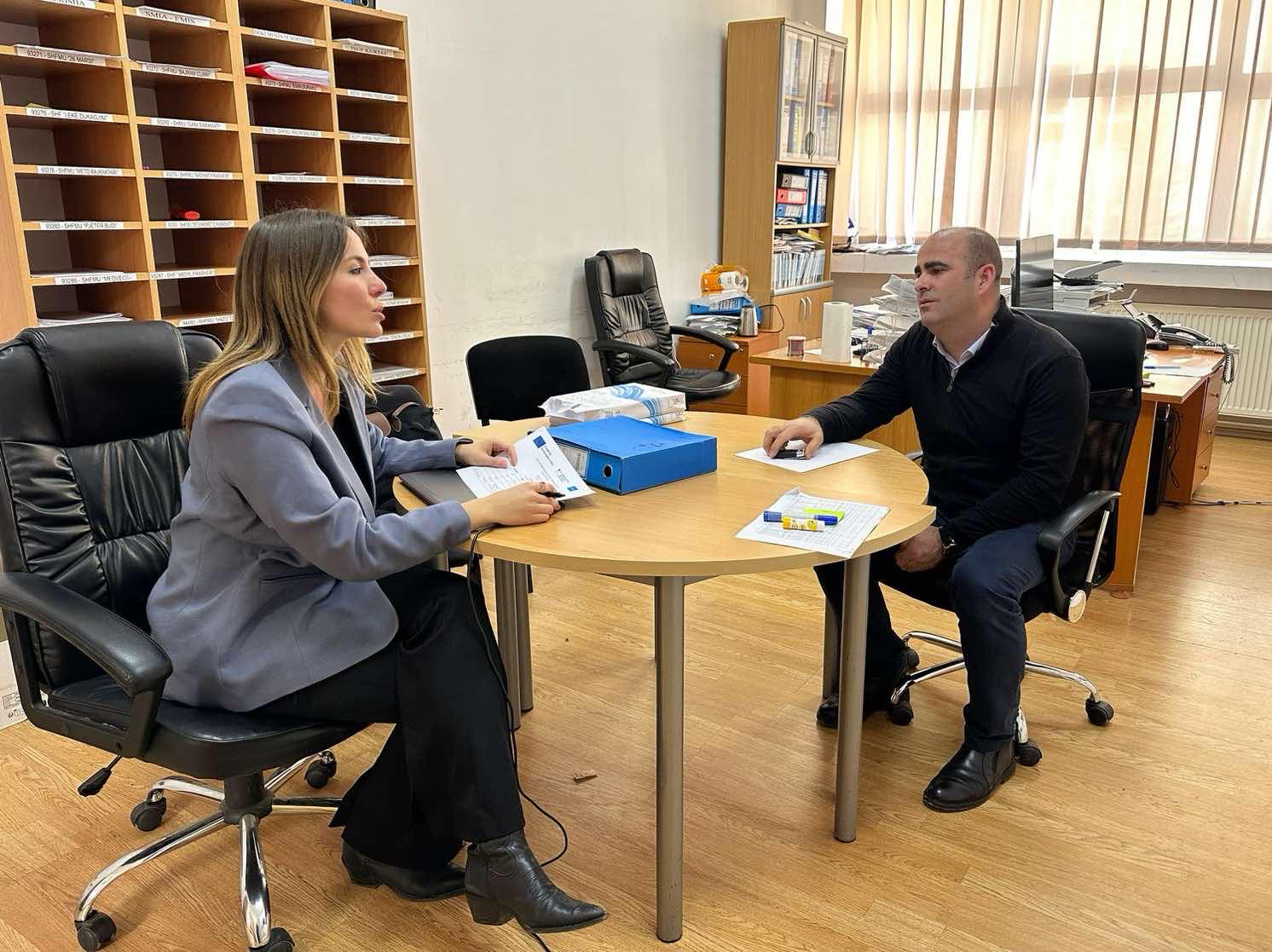
Together with CLARD, ECMI Kosovo supported eight parents in taking school segregation in Gjakova to court. The proceedings established unlawful discrimination; in June 2022, the Court of Appeals upheld compensation for three children. The case grew out of wider work to end segregated classes in Gjakova, Ferizaj and Peja.
Our segregation research and the policy study Enhancing Inclusive Education for All in Kosovo, developed through the ECMI Kosovo-led ERAC project, examine gaps between legal protections and children’s experience. Their recommendations address school abandonment and the prevention of exclusion.
Reviewing Serbian-language curricula and textbooks
In 2010, ECMI supported the Independent Commission for the Review of Serbian Language Teaching Materials in its comprehensive review of curricula and textbooks used in Serbian-language schools in Kosovo. Supported by the Ministry of Education, the work followed the mechanism provided by the Ahtisaari settlement framework and Kosovo’s constitutional order.
We helped gather teaching materials and assisted the Commission and its experts with the grade-by-grade review. The comprehensive report, finalised on 24 June 2010, set out findings and proposed measures on compliance with Kosovo’s constitutional and legal framework. The review sought a basis for continued Serbian-language education while addressing the issues identified.
Understanding Serbian-language education
The 2018 study Education in Serbian Language in Kosovo and subsequent assessments examine secondary schools, higher education and the routes available to graduates. They cover an educational system serving Serbs and other communities studying in Serbian.
This knowledge informs our diploma-verification programme, addressing the administrative barriers that can prevent graduates from using their qualifications. The separate account explains the mechanism, ECMI’s role and the procedures for applicants.