On this page
A birth or marriage recorded in one system can be difficult to register in another. For people using Serbian-system records in Kosovo, that barrier can affect civil status, identity documents and access to services. ECMI Kosovo works on the legal routes, administrative procedures and public information needed to make those records usable.
Connecting research with institutional action
Our original research through the EU-supported Equal Rights for All Coalition (ERAC), a project led by ECMI Kosovo with partner organisations, put these barriers on the agenda. The People in Between, published in April 2018, examined citizenship, documentation and freedom of movement, drawing on legal analysis, administrative practice and the experience of people and organisations dealing with the problem. The research informed the engagement that preceded later improvements in access to documentation.
The issue affected Serbs and other communities using the Serbian system, including Gorani and some Roma and Bosniaks. It required engagement with the authorities able to change the rules and with the offices responsible for applying them.
From authentication to registration
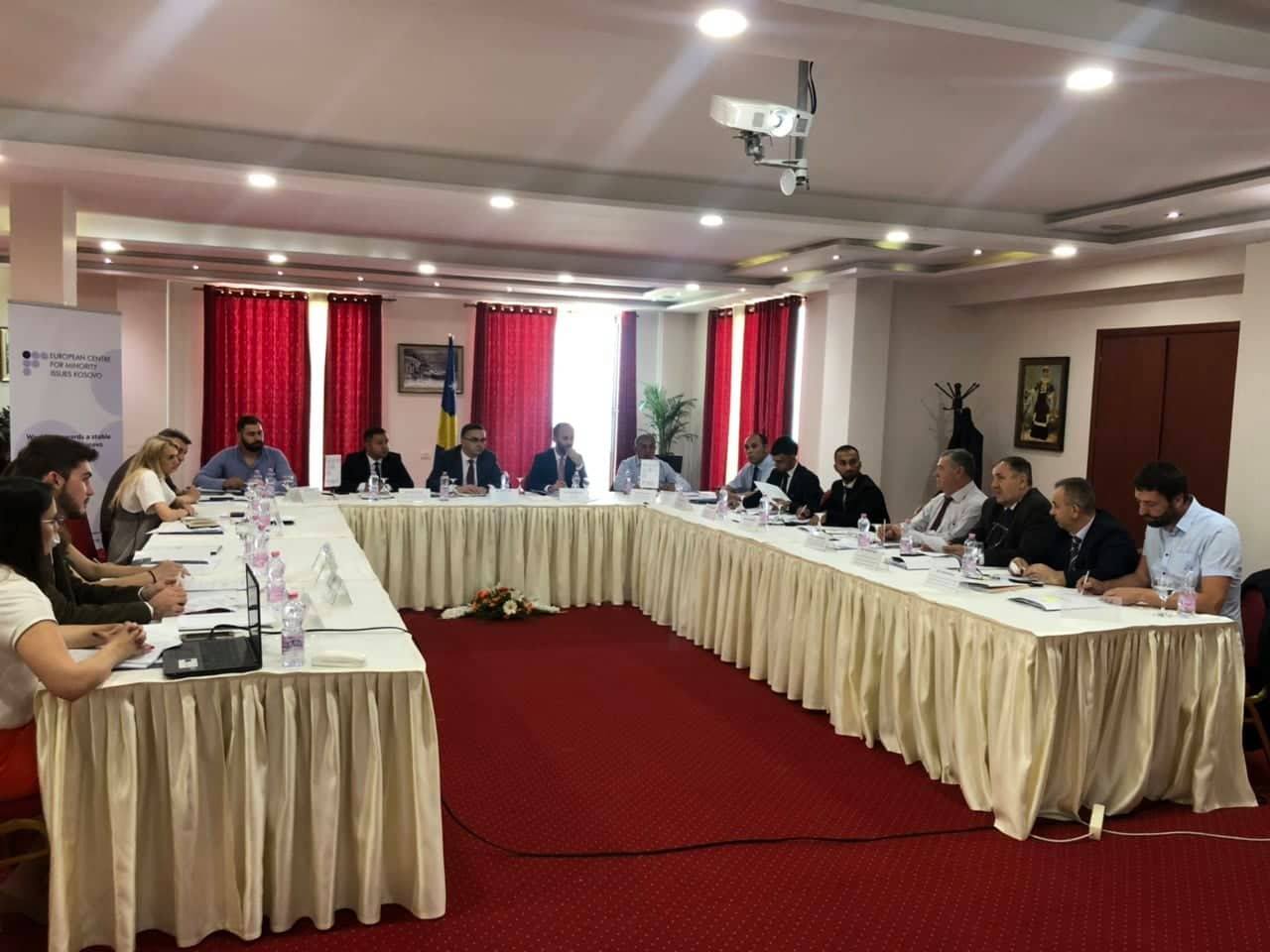
At the invitation of the US Embassy, ECMI joined discussions with the Ministry of Internal Affairs about whether experience from diploma verification could help resolve civil-documentation barriers. Ministry officials took part. Authentication was the central question: applying a comparable verification process to each civil document would have created a heavy logistical burden. The discussions explored a route based on accepting original documents. The Ministry adopted the measures; public authorities remained responsible for deciding applications.
Through the Norway-supported 2018–2020 programme on implementing agreements reached in the Brussels Dialogue, we helped central bodies and ten municipalities put documentation procedures into use. We assessed administrative needs, developed guidelines for registering births, marriages and deaths, provided expert assistance, trained staff and prepared information for citizens. The programme also supported dialogue with public authorities and community representatives and later incorporated diploma-verification support.
Learning across different documentation barriers
The Ministry’s measures gave eligible people a route to register civil-status facts and obtain Kosovo documentation. The Ombudsperson’s 2019 review recorded improvements following the Ministry’s decisions, while identifying municipal exceptions and remaining access barriers. ECMI’s contribution combined the research that identified the problem, engagement on a legal route and support to the people responsible for making it work.